
Airmen stationed in California face unique pressures that can make it difficult to seek support for substance use or co-occurring mental health challenges. Between demanding schedules, frequent relocations, and the need to maintain operational readiness, finding reliable, confidential, and military-friendly treatment isn’t always straightforward.
Many service members quietly wonder where to turn for help when stationed in San Diego, or how to navigate resources across the state without disrupting their duties or career trajectory.
Fortunately, California offers some of the nation’s strongest behavioral health and addiction treatment resources, and many are specifically equipped to support active-duty Airmen, Guard, and Reserve members, and their families.
In this article, AFCrashpad explores the most trusted rehab options for Airmen stationed in the region, including on-base services, civilian programs that accept TRICARE, and specialized centers experienced in military culture.
The goal is to provide clear, actionable guidance that helps service members understand what’s available, what to expect, and how to move forward with confidence.
Why Airmen Stationed in California Benefit from Specialized Rehab Options
California is home to multiple major Air Force and joint-service installations, including Travis AFB, Edwards AFB, March ARB, and the large concentration of active-duty personnel around San Diego. This creates a high need for reliable treatment pathways that align with military requirements and the realities of service life.
Airmen often look for programs that:
- Maintain strict confidentiality, particularly when members are worried about career impact
- Offer trauma-informed care that recognizes operational stress
- Coordinate with the command when required, but also respect patient autonomy
- Accept TRICARE or provide affordable options
- Provide seamless transitions between levels of care, especially important when PCS orders or deployment cycles are approaching
These factors make choosing the right program more important than simply finding the closest rehab. Service members thrive in programs that understand them. A theme you’ll see reflected across the state’s strongest options.
On-Base and Military Medical System Treatment Options
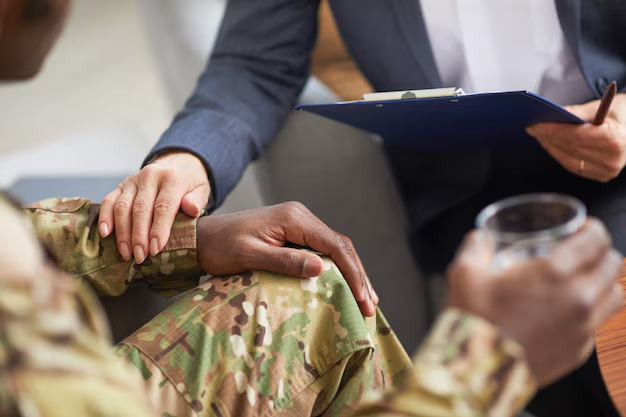
Airmen typically start by exploring resources within the military medical system. For those stationed in California, these services remain a valuable first line of support, especially for early intervention, assessment, and confidential counseling.
Behavioral Health Services on Installations
Most bases offer mental health clinics, substance misuse programs, and embedded behavioral health personnel. These services are designed to offer screening, crisis support, referrals, and in some cases, outpatient therapy.
Airmen often wonder whether speaking with on-base providers will trigger mandatory reporting. While each branch follows specific guidelines, many services remain confidential unless there is an immediate safety risk or a readiness-related concern. Even then, providers generally work with service members to support, not penalize, their recovery.
Military Treatment Facilities (MTFs)
California MTFs may provide outpatient substance use disorder (SUD) services or connect Airmen with TRICARE-authorized civilian facilities. The availability and capacity of MTF programs vary by location, which is why many Airmen ultimately seek community-based treatment that offers specialized levels of care.
Civilian Rehab Options for Airmen Across California
Many Airmen prefer to receive treatment off-base for privacy or because civilian programs can offer levels of care that military facilities do not routinely provide. California’s rehab landscape includes detox facilities, residential treatment centers, outpatient programs, and evidence-based trauma therapy providers.
Finding Programs That Accept TRICARE
When researching civilian centers, one of the first questions Airmen ask is whether a provider accepts TRICARE. This matters not only for affordability but also to ensure care is coordinated and recognized within the military health system.
Some treatment centers openly highlight TRICARE acceptance, including programs known for their work with service members. For example, South Shores Detox accepts TRICARE Reserve, making it an option many Airmen and reservists explore when they want confidential and clinically sophisticated care in Southern California.
Programs that understand military culture can offer more seamless communication, better alignment with duty expectations, and a more comfortable therapeutic environment.
Trauma-Informed and Co-Occurring Treatment
Airmen commonly deal with a mix of stress-related symptoms, sleep disruption, anxiety, depression, and unresolved trauma, especially those who have deployed or served in high-intensity operational roles. Effective rehab for military members includes:
- Dual-diagnosis treatment
- Evidence-based therapies like EMDR
- Support for reintegration and family stress
- Clinicians trained in military life and cultural competency
Centers that lack this experience may still provide good care, but Airmen often feel more at ease in programs that inherently understand their background.
Key Rehab Options for Airmen Stationed in Southern California
While Airmen serve throughout the state, many are clustered in or near the San Diego region due to joint-service operations. This area specifically offers robust treatment resources, which is why so many Airmen search for help when stationed in San Diego.
Detox and Withdrawal Management
Supervised detox is often the first step for Airmen who have developed physiological dependence on alcohol, opioids, or other substances. Safe detoxification is crucial for maintaining medical stability and preparing for deeper therapeutic work.
In Southern California, detox centers with TRICARE authorization stand out because they can serve both active-duty members (with referral) and reservists. Programs like South Shores Detox accept TRICARE Reserve, which is particularly helpful for part-time service members balancing civilian commitments with military duties.
Residential Treatment Programs
Residential or inpatient programs give Airmen space to step away from daily stressors and fully focus on recovery. These programs are especially valuable for individuals experiencing:
- Moderate to severe substance dependence
- Co-occurring trauma symptoms
- Significant disruptions in functioning or readiness
Many Airmen choose residential care because it offers structure, clinical immersion, and a break from the high-performance expectations of the military environment.
Partial Hospitalization and Intensive Outpatient Programs
For Airmen who cannot fully step away from the installation or who are transitioning down from residential care, outpatient programs provide ongoing support while allowing members to maintain responsibilities. These options are also used when timing constraints—such as upcoming PCS moves require a more flexible approach.
Outpatient care is also ideal for Airmen who want to receive treatment discreetly off-base without pausing their career or duties, provided readiness requirements are met.
Northern and Central California Treatment Options
Airmen at Travis AFB, Beale AFB, or Edwards AFB often look for treatment closer to their installations. Northern and Central California offer strong regional resources, including:
- Community-based detox and residential programs
- VA-affiliated services for Guard and Reserve members with VA eligibility
- Trauma-focused outpatient providers
- Programs specializing in dual diagnosis
Because TRICARE networks evolve, Airmen often benefit from speaking with a case manager or researching which facilities maintain current authorization. This ensures smoother referrals and fewer administrative delays.
How Airmen Can Choose the Right Rehab Program
With so many options across California, Airmen often ask how to determine which type of program fits their needs. The most important factors include clinical appropriateness, confidentiality, cultural understanding, and logistical feasibility.
Clinical Fit
Effective treatment begins with an accurate assessment. Airmen should look for programs that offer evidence-based care, familiarity with military-specific stressors, and clear treatment pathways for detox, residential, and outpatient levels.
Confidentiality and Career Considerations
Maintaining privacy matters deeply to many service members. Civilian programs can provide added discretion, though any treatment connected to TRICARE may involve some level of coordination with military providers. Speaking with a behavioral health officer or medical provider can clarify reporting thresholds and help Airmen make informed decisions.
Connection to Supportive Resources
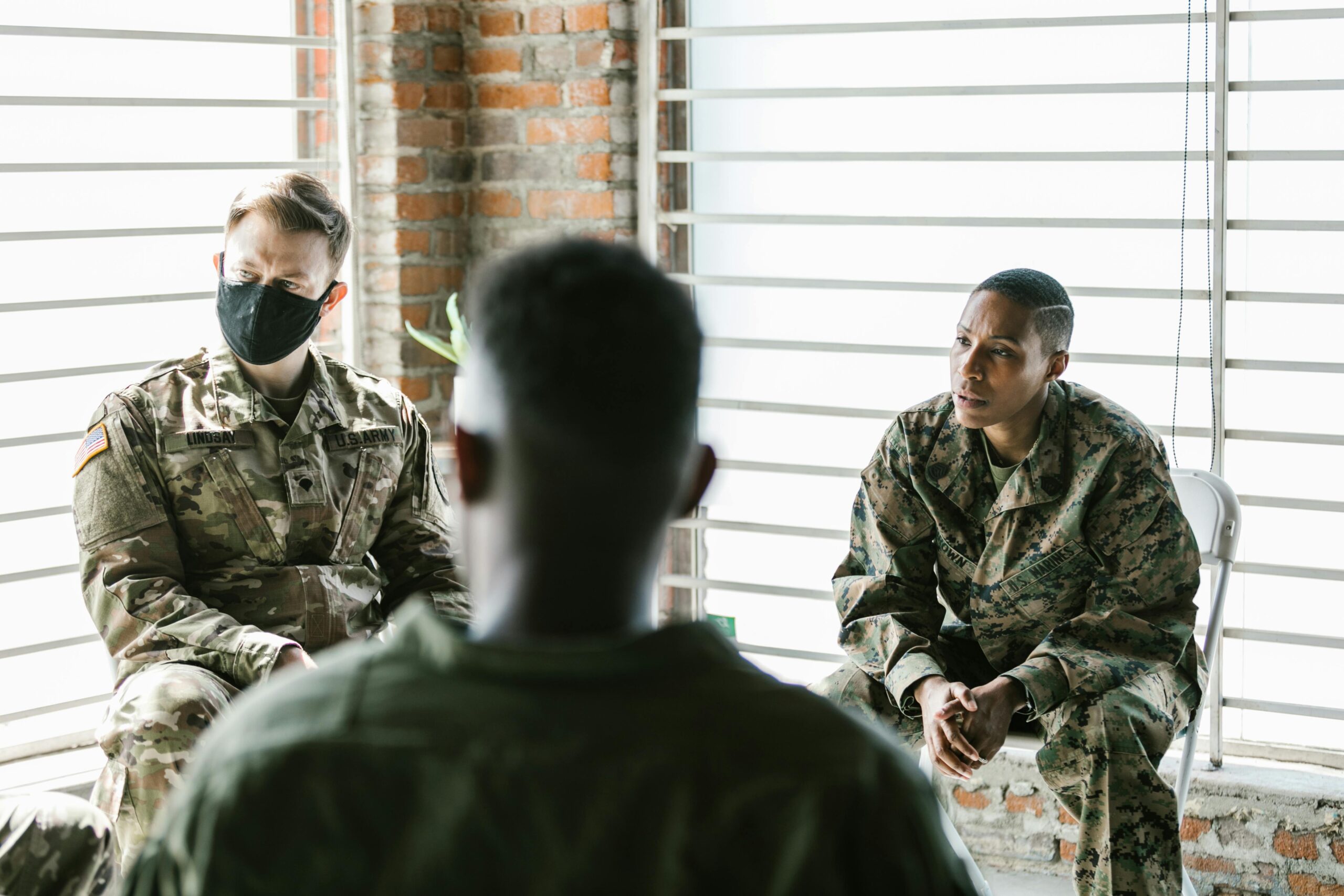
Strong programs help Airmen reconnect with supportive relationships, rebuild coping skills, and prepare for reintegration. Look for centers that include family programming, relapse-prevention planning, and aftercare that extends past the initial treatment episode.
What Airmen Often Ask Before Entering Rehab
Airmen exploring treatment options frequently raise similar questions, which can help guide their next steps.
Will seeking treatment affect my career?
Many Airmen worry about this, but the military’s increasing focus on mental health, readiness, and resilience has expanded pathways for confidential support. Early engagement often prevents more serious concerns and can actually safeguard long-term performance.
Do I have to tell my command?
Policies vary by branch and situation. Safety concerns, readiness limitations, or duty-impacting symptoms may require some level of communication. Civilian programs, however, provide more control over when and what a service member shares.
How does TRICARE work with civilian rehab?
TRICARE may require referral or authorization, depending on the level of care. Programs that frequently work with service members can guide Airmen through the process and coordinate with TRICARE to minimize delays.
Airmen Can Find The Support They Need in California
Airmen stationed in California are not alone in navigating substance use or co-occurring mental health challenges. The state’s combination of military resources, TRICARE-authorized civilian programs, and trauma-informed treatment centers creates a supportive landscape for recovery.
Whether an Airman is exploring options independently or seeking help when stationed in San Diego, the first step is simply reaching out for an assessment and learning what level of care will be the best fit. For Guard and Reserve members, options like those offered by centers such as South Shores Detox, which accepts TRICARE Reserve, can make quality treatment more accessible and less overwhelming.
California’s rehab options are wide-ranging, evidence-based, and designed to meet the complexities of military life. With the right support, Airmen can address challenges early, strengthen long-term well-being, and continue serving with clarity, purpose, and resilience.